The Gift of a Clock:
A Lesson in Cultural Intelligence
FEBRUARY 2026
DISCLAIMER: ALL VISUAL CONTENT AND DESIGNS WERE CREATED USING CANVA.On the eve of Chinese New Year of Horse, I remember decades ago when a client of mine was to visit China to meet prospective joint venture partners. He asked me for advice. Other than the essential business practice pointers, I wanted to highlight something about local cultural practice, so I said, “This is a very hospitable nation, and a relationship and connection society. Small gifts are often an effective gesture of good will which help to build relationships.”
He took the advice seriously and arrived with beautifully wrapped, elegant little alarm clocks—tasteful, practical, and engraved with his company logo.

Only after the first polite but slightly awkward meeting did he learn that the pronunciation of “clock” (钟, zhōng) in Chinese sounds like the phrase associated with attending a funeral (送终, sòng zhōng). In Chinese culture, giving a clock symbolically implies “seeing someone off to the end.” It is, quite literally, the one thing you do not give as a gift.
His hosts, gracious as ever—in a culture shaped by harmony and relationship values influenced by thinkers like Confucius—smiled warmly and moved forward. The partnership discussions continued. But the lesson endured.
The story was never just about a clock. It was about assumption.
From Assumptions to Awareness
When we work across borders—or even across the corridor—we assume professionalism looks the same to everyone. Yet culture shapes how we communicate, make decisions, show respect, and handle disagreement.
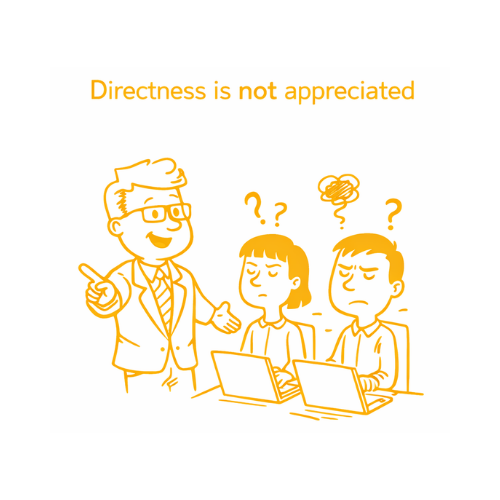
In some cultures, directness signals honesty; in others, it feels abrasive. In some teams, speaking up quickly shows engagement, in others, reflection signals thoughtfulness. Silence can mean disagreement. Enthusiasm can be read as confidence—or overpromising.

Importantly, many of us work in multicultural environments without leaving our own office. Colleagues differ by nationality, ethnicity, generation, training, and even functional background. Finance and marketing often operate with different assumptions. Headquarters and regional teams may value different approaches. Misunderstandings do not require passports—only difference.
Cultural intelligence begins with a shift: from certainty to curiosity. Instead of assuming similarity, we ask, “How are decisions made here?” “What does respect look like in this team?” “How would you prefer feedback?”
That shift is not merely interpersonal skill; it is a leadership quality. Leaders without cultural intelligence mistake difference for incompetence. Leaders with it treat difference as insight.
Practical Wisdom from Experience
Over the years, I have learned that managing cultural differences requires discipline.
First, observe before evaluating. Notice patterns in communication and decision-making before labeling them effective or ineffective.

Second, ask rather than assume. Clarifying expectations around hierarchy, timelines, and feedback prevents avoidable friction.

Third, adapt without losing authenticity. Flexibility is not about abandoning your values; it is about expressing them in ways others can receive.

In practice:
Learn key cultural taboos and symbols when working across countries.
Make implicit norms explicit in multicultural teams.
Pay attention to how authority and disagreement are handled.
Replace quick judgments with thoughtful questions.
Model curiosity and humility, especially if you lead others.
The clock incident became a story we laughed about for years. But it remains a powerful reminder: in a connected world, cultural intelligence is not optional. It is how leaders build trust, avoid unnecessary friction, and turn diversity—whether across borders or across desks—into strength.

Key Learning Points
Cultural differences exist both across borders and within the same office.
Assumptions are natural; awareness is intentional.
Small gestures can carry deep symbolic meaning.
Cultural intelligence is a core leadership capability.
Curiosity and reflection prevent misunderstanding.
Humility turns mistakes into lasting learning.

“Seek first to understand, then to be understood.”
– Stephen Covey
Enjoying reading?
Explore more resources